

Signs Your Home Needs Rewiring (Warning Guide 2026)
Old wiring is one of those things most homeowners never think about until something goes wrong. But the truth is, knowing the signs your home needs rewiring can save you from a fire, a shock, or a very expensive repair down the road. Here at Caliber Electric in Oklahoma City, we see aging electrical systems every single week, and many of them are quietly putting families at risk.
In this 2026 warning guide, we will walk you through the red flags to watch for, when it makes sense to rewire, what it costs, and what actually happens during the process. Let’s keep your home safe and running the way it should.
What Are the Warning Signs Your Home Needs Rewiring
Your electrical system talks to you. The problem is that most people do not know how to listen. When wiring starts to fail, it usually gives off small clues long before it becomes a serious hazard. If you notice any of these signs, it is time to have a professional take a closer look.
Some warning signs are obvious, like sparks. Others are subtle and easy to ignore. Here are the most common ones we run into across Oklahoma City and the surrounding towns.
- Flickering or dimming lights that happen when you use appliances
- Breakers that trip often for no clear reason
- Warm or discolored outlets and switch plates
- A burning smell near outlets or the panel
- Buzzing or crackling sounds coming from walls or fixtures
- Two-prong outlets with no ground
- Frequent shocks or tingles when touching appliances
- Cloth-covered or aluminum wiring in older homes
- The constant need for extension cords and power strips
- Lights that dim when the AC or dryer kicks on
If you catch any of these early, you have options. Catching them late usually means bigger problems. When something feels off but you are not sure what it is, our team can help with fast troubleshooting and diagnostics services to pinpoint the real cause before it turns dangerous.
How Old Wiring Can Become a Fire Hazard
Not all wiring ages the same way. Some materials and methods that were once standard are now known to be risky. Understanding WHY old wiring fails helps you take the threat seriously.
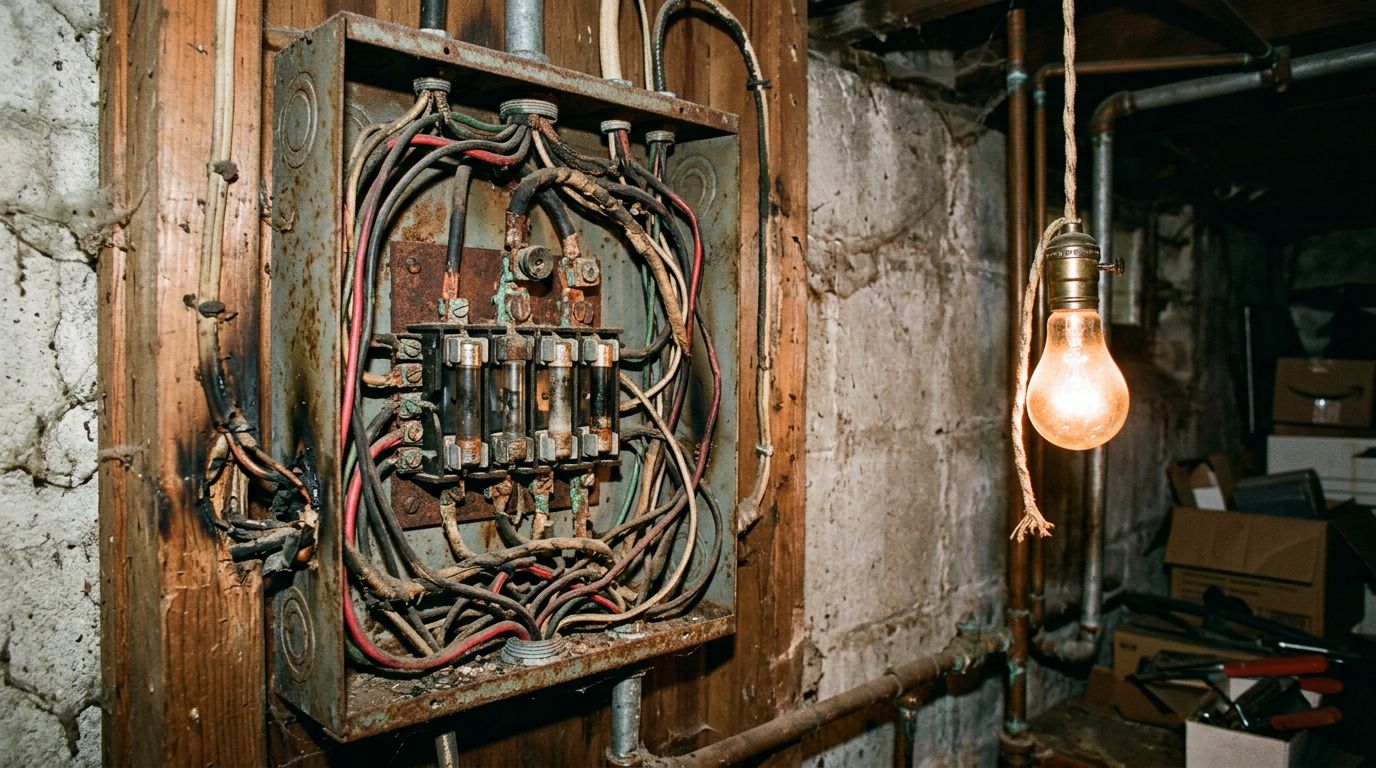
Insulation Breaks Down Over Time
The plastic or cloth coating around your wires does not last forever. Heat, age, and rodents all wear it down. Once the insulation cracks or crumbles, bare wire can touch metal or wood. That is exactly how electrical fires start.
Aluminum Wiring Loosens and Overheats
Homes built in the 1960s and 1970s often used aluminum wiring. Aluminum expands and contracts more than copper. Over the years, connections loosen. Loose connections create heat. Heat creates fire risk. If you have aluminum wiring, it deserves a professional inspection.
Overloaded Circuits Push Systems Past Their Limit
Older homes were wired for a much smaller electrical load. We did not have giant TVs, gaming setups, EV chargers, and multiple air conditioners back then. When you force a modern lifestyle onto old wiring, the circuits run hot and can fail.
Faulty Connections and DIY Repairs
A lot of older homes have had past owners or handymen make changes. Bad splices, missing junction boxes, and mismatched wire gauges are common. These hidden mistakes are ticking time bombs behind your walls.
When Should You Rewire Your House
Rewiring is a big job, so it is not something you do casually. But there are clear situations where it makes sense and even saves money in the long run. If your home falls into any of the categories below, rewiring should be on your radar.
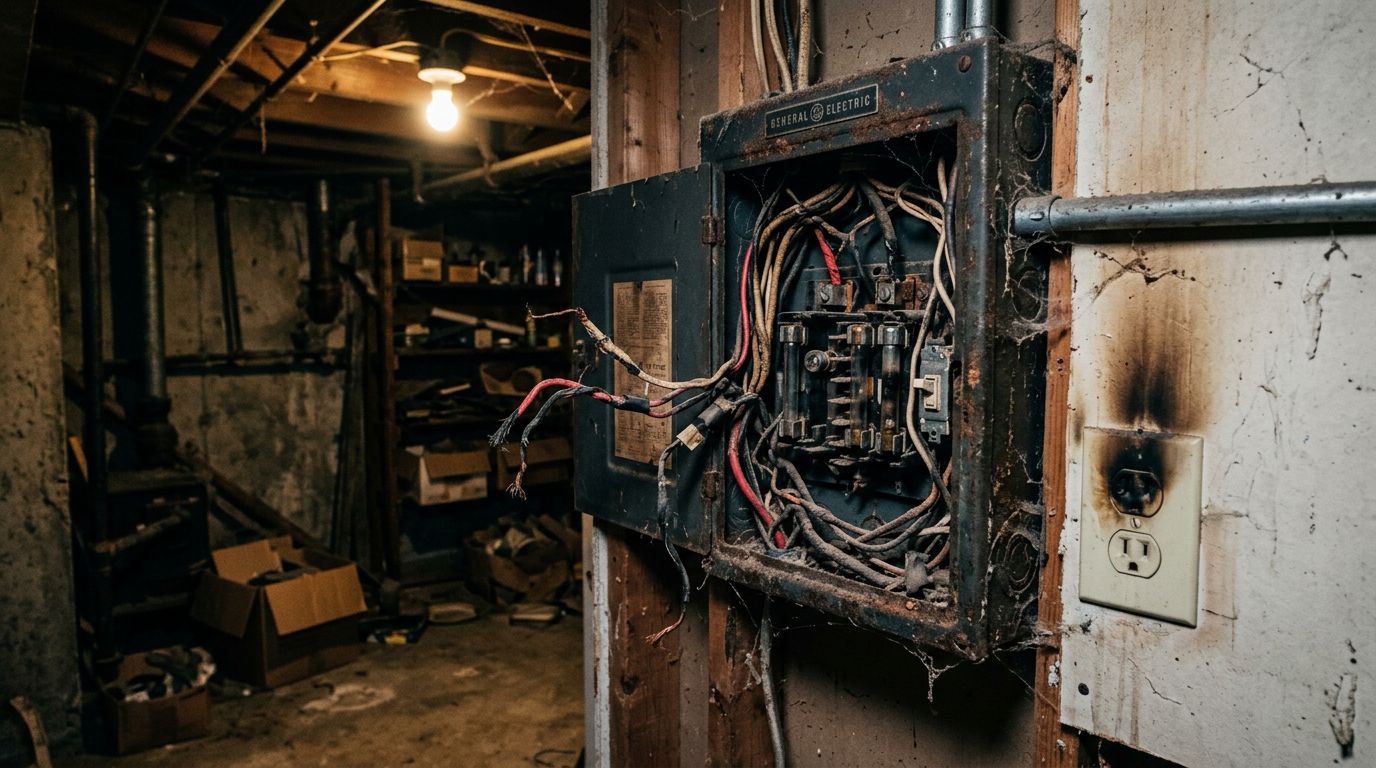
Age alone is a strong signal. If your home is several decades old and has never been updated, the wiring may simply be past its safe lifespan. Beyond age, watch for these triggers.
- Your home is 40 years or older with original wiring
- You have knob-and-tube or aluminum wiring
- You are planning a major renovation or addition
- You keep having repeated electrical problems
- You are adding big electrical loads like an EV charger or hot tub
- Your insurance company is asking for an upgrade
- You are buying or selling a house and want it inspection-ready
Sometimes you do not need a full rewire. A panel upgrade or targeted circuit work can solve the issue. Our team offers electrical maintenance and upgrade services that help you modernize without tearing your whole house apart when a full rewire is not needed.
How Much Does It Cost to Rewire a Home in 2026
Cost is always the first question, and it is a fair one. Rewiring pricing depends on the size of your home, how easy it is to access the wiring, and how much of the system needs work. In 2026, material and labor costs have shifted a bit, so here is a realistic breakdown.
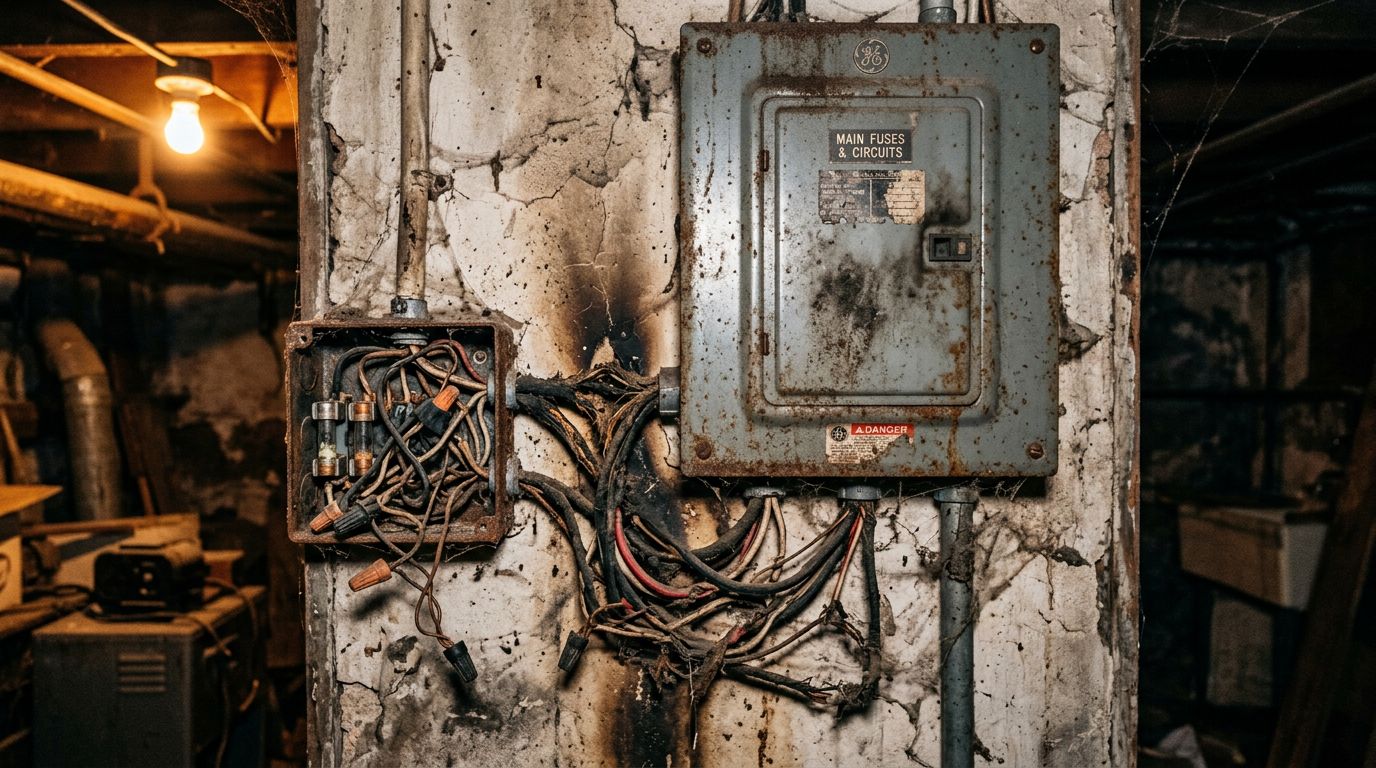
Keep in mind these are general ranges. The only way to get an accurate number is with an in-person assessment. Still, these figures give you a solid starting point.
| Home Size | Typical 2026 Cost Range | Notes |
|---|---|---|
| Small home (under 1,000 sq ft) | $4,000 – $8,000 | Fewer circuits and outlets |
| Average home (1,500 – 2,000 sq ft) | $8,000 – $15,000 | Most common range |
| Large home (2,500+ sq ft) | $15,000 – $30,000+ | More rooms and complexity |
| Panel upgrade only | $1,500 – $4,000 | Often paired with rewiring |
Several things push the price up or down. Here are the main cost factors to keep in mind.
- Home age and existing wiring type
- Number of outlets, switches, and fixtures
- Whether the drywall stays or comes down
- The need for a new panel or meter
- Permit and inspection requirements
- Access to crawl spaces and attics
Often a rewire pairs perfectly with a panel update. If your panel is outdated, our electrical panel installation and repair services make sure the new wiring has a safe, modern hub to run through.
Can You Rewire a House Without Removing Drywall
This is one of the most common questions we hear, and the answer is YES, in many cases. Good electricians use techniques that limit wall damage. It is not always possible to avoid every cut, but a skilled crew keeps the mess to a minimum. Here is how it usually works.
- Use existing access points. Attics, basements, and crawl spaces let us run new wire without opening walls.
- Fish wires through walls. With special tools, we snake new wiring down through the tops of walls and behind studs.
- Make small strategic cuts. Instead of removing whole walls, we cut small openings near outlets and switches.
- Remove and reuse outlet boxes. Pulling old boxes gives access without major demolition.
- Patch as we go. Any small holes get patched, ready for touch-up paint.
The catch is that homes with finished basements, solid plaster walls, or tight framing may need more cuts. During your assessment, we will tell you honestly how much wall work to expect. No surprises.
What to Expect During the Home Rewiring Process
Rewiring sounds scary, but a well-run project is smooth and organized. Knowing the steps ahead of time makes the whole thing feel far less overwhelming. Here is what the typical process looks like from start to finish.
- Inspection and quote. We look at your current wiring, panel, and layout, then give you a clear estimate.
- Permits and planning. We pull the right permits and map out the circuits and safety upgrades your home needs.
- Prep and protection. Furniture gets covered and work areas are set up to keep dust down.
- Running the new wiring. New wire is installed through walls, attics, and crawl spaces. Old wiring gets disconnected.
- Panel and outlet work. New outlets, switches, and often a new panel are installed and connected.
- Testing everything. Every circuit is tested to confirm it is safe and working right.
- Inspection and sign-off. A local inspector reviews the work to confirm it meets code.
- Cleanup and walkthrough. We clean up, patch small holes, and walk you through the finished system.
Most whole-home rewires take a few days to a week, depending on the size of the house. You can usually stay in your home during the project, though power will be off in certain areas at times. We work to keep disruption low and communication high.
Conclusion
Your home’s wiring works hard behind the scenes, and when it starts to fail, the warning signs are worth taking seriously. Flickering lights, tripping breakers, warm outlets, and burning smells are all red flags. Old aluminum or cloth wiring, homes over 40 years old, and big new electrical loads are all reasons to consider a rewire. And yes, in many cases the work can be done with little damage to your walls.
At Caliber Electric, we help homeowners across Oklahoma City, Moore, Norman, Edmond, Yukon, and the surrounding areas keep their homes safe and up to date. If you have noticed any of the warning signs in this guide, do not wait for a small issue to become a big one. Reach out to our team and let us help you protect what matters most.


